In the ever-evolving landscape of fashion, the art of pattern mixing stands as a testament to personal style and creative expression. Gone are the days when donning multiple prints was considered a sartorial faux pas; today, it is celebrated as a bold and sophisticated approach to dressing. However, mastering this technique requires more than just a fearless attitude—it demands an understanding of balance, harmony, and the subtle nuances that transform a chaotic ensemble into a cohesive masterpiece.
At its core, successful pattern mixing is about finding common ground between disparate designs. This often begins with color, the universal language that can seamlessly unite even the most contrasting patterns. When selecting pieces to combine, look for shared hues or complementary color palettes that create a visual thread throughout your outfit. For instance, a floral blouse with hints of navy and cream can be effortlessly paired with a geometric skirt in similar shades, allowing the patterns to converse rather than clash. The key is to ensure that the colors tell a consistent story, providing a foundation upon which the prints can interact harmoniously.
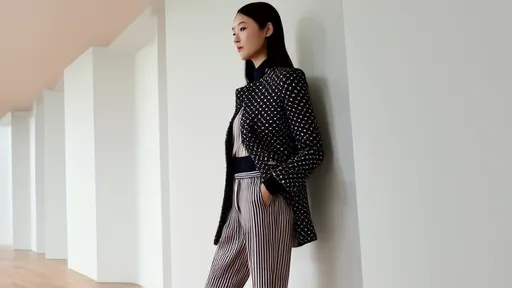
Scale plays an equally pivotal role in achieving sartorial synergy. Combining patterns of varying sizes prevents visual overload and adds depth to your look. A large, bold print, such as oversized paisley or dramatic animal spots, can be balanced with a smaller, more delicate pattern like subtle stripes or tiny polka dots. This contrast in scale creates a dynamic yet balanced composition, guiding the eye across the outfit without overwhelming it. Imagine a chunky houndstooth coat layered over a dainty floral dress—the juxtaposition not only adds interest but also allows each pattern to shine in its own right.
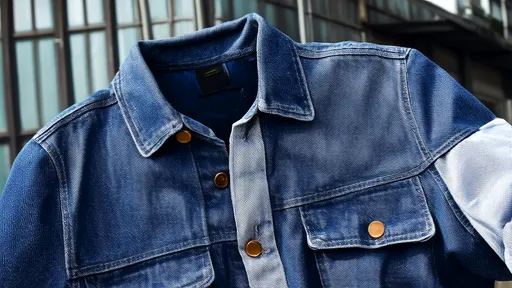
Texture, though often overlooked, is another powerful tool in the pattern mixer's arsenal. Incorporating different fabrics can soften the impact of bold prints and add a tactile dimension to your ensemble. A silky leopard-print scarf paired with a tweed herringbone blazer, for example, introduces variety through both pattern and texture, resulting in a rich, multi-layered look. The interplay between smooth and rough surfaces can diffuse visual intensity, making even the most adventurous combinations feel wearable and refined.
Beyond these technical considerations, confidence remains the ultimate accessory. Pattern mixing is an inherently personal endeavor, reflecting your unique taste and creative vision. Embrace the process as an opportunity to experiment and discover what resonates with you. Start with simpler combinations—perhaps pairing a striped top with a floral accessory—and gradually build your way to more complex ensembles. Remember, fashion rules are meant to be bent, if not broken entirely; the most memorable outfits often arise from unexpected pairings that defy conventional wisdom.
As you delve deeper into the world of print clashing, consider the context in which you'll be wearing your creation. A vibrant mix of tropical and tribal patterns might be perfect for a summer festival but less suitable for a corporate setting. Adapt your approach to suit the occasion, balancing creativity with appropriateness. In professional environments, opt for subtler combinations—a pinstripe suit with a subtly patterned tie or scarf—while reserving more daring mixes for social events and personal outings.
Ultimately, the journey to mastering pattern mixing is one of trial and error, intuition and education. It invites you to see your wardrobe not as a collection of separate items but as a canvas for endless possibilities. By paying attention to color, scale, and texture, and by wearing your choices with conviction, you can transform any combination of patterns into a harmonious and stylish statement. So go ahead—embrace the print, mix with purpose, and let your outfit tell a story that is uniquely yours.

By /Aug 21, 2025
By /Aug 21, 2025
By /Aug 21, 2025

By /Aug 21, 2025

By /Aug 21, 2025

By /Aug 21, 2025
By /Aug 21, 2025

By /Aug 21, 2025
By /Aug 21, 2025

By /Aug 21, 2025
By /Aug 21, 2025
By /Aug 21, 2025

By /Aug 21, 2025

By /Aug 21, 2025

By /Aug 21, 2025

By /Aug 21, 2025
By /Aug 21, 2025

By /Aug 21, 2025

By /Aug 21, 2025

By /Aug 21, 2025